

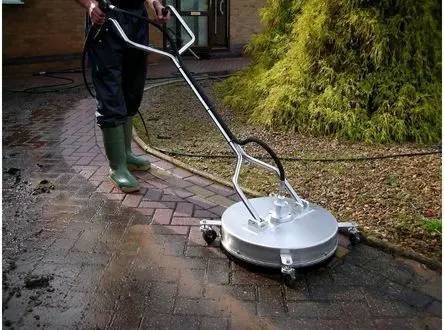
Let’s talk about pressure washer rotary surface cleaning in Montreal. If you’re wondering if it’s worth it, the short answer is: yes, generally, it’s a very effective way to clean large, flat outdoor surfaces quickly and thoroughly in Montreal. It’s not a magic bullet for every single situation, but for many of the common cleaning challenges we face outdoors in this city, it’s a strong contender. Think of it as a super-powered, ride-on floor buffer for your driveway, patio, or deck.
Why the Fuss About Rotary Surface Cleaners, Anyway?
You’ve probably seen them – those disc-shaped attachments for pressure washers. They look a bit like a futuristic hovercraft for your pavement. The whole idea is to contain the spray and spin it around in a controlled manner. Instead of a single, intense jet of water that can sometimes create stripes or etch surfaces, a rotary surface cleaner uses multiple rotating nozzles. These nozzles create a much wider, more uniform cleaning pattern.
This makes them incredibly efficient for covering large areas. Rather than painstakingly going over every inch with a wand, you simply glide the rotary cleaner back and forth. It’s a significant time-saver, especially if you’ve got a substantial area to tackle. Plus, they tend to minimize the mess by keeping the water and debris relatively contained.
If you’re looking to enhance your outdoor cleaning routine, you might find the article on Pressure Washer Rotary Surface Cleaning in Montreal particularly useful. It provides insights into the benefits of using rotary surface cleaners for efficient and effective cleaning. For more information, you can read the article here: Pressure Washer Rotary Surface Cleaning in Montreal.
Is a Rotary Surface Cleaner Right for Your Montreal Property?
This is the million-dollar question, so to speak. The suitability of a rotary surface cleaner for your Montreal home or business really depends on what you’re trying to clean and the condition of the surface.
For the Common Montreal Outdoor Surfaces
Montreal residents deal with a specific set of outdoor cleaning challenges. We’ve got harsh winters that bring salt and sand, humid summers that encourage algae and moss, and plenty of trees shedding leaves and debris.
Driveways: The Ultimate Test
Whether you have poured concrete, asphalt, or interlocking stone, driveways are prime candidates for rotary surface cleaning.
- Concrete: This is where rotary cleaners often shine. They can blast away embedded dirt, oil stains (with the right pre-treatment), tire marks, and that pervasive grey grime that accumulates over time. The even spray helps prevent those unsightly banding marks you can get with a regular pressure washer wand.
- Asphalt: Asphalt is a bit more delicate than concrete. While rotary cleaners can work, it’s crucial to use the correct pressure. Too much can damage or strip the top layer of asphalt. Always start with a lower pressure setting or a slower pass to ensure you’re not causing harm.
- Interlocking Stone: This is another great application. Rotary cleaners can effectively remove moss, weeds growing between the stones, and the general dirt that lodges in the gaps. They help restore the vibrance of your pavers.
Patios and Decks: Bringing Back the Beauty
Your outdoor living spaces deserve some attention too.
- Concrete Patios: Similar to driveways, concrete patios can benefit immensely. Think of all those summer BBQ grease splatters, spilled drinks, and general foot traffic grime. A rotary cleaner can lift it all.
- Paver Patios: Like interlocking driveways, paver patios get a new lease on life. The even cleaning action gets into the grout lines and lifts away dirt and discoloration.
- Wood Decks: This is where you need to be particularly cautious. While some rotary surface cleaners can be used on wood decks, it’s absolutely essential to use them with caution. Wood is much softer than concrete.
- Low Pressure is Key: Always use the lowest effective pressure setting.
- Test Area: Before tackling the whole deck, test on an inconspicuous spot.
- Avoid Overlapping: Overlap your passes minimally to prevent creating uneven patterns.
- Consider the Nozzles: Some rotary cleaners come with different nozzle options. For wood, you might need to opt for wider degree nozzles to reduce the intensity.
- Professional Advice: If you have a valuable or older wood deck, it might be best to consult a professional who specializes in deck cleaning.
Other Surfaces
- Pool Decks: Often made of concrete or special non-slip surfaces, pool decks can get slippery with algae. Rotary cleaners are excellent for restoring a safe and clean surface.
- Sidewalks and Walkways: Whether it’s the concrete path leading to your door or a stone walkway through your garden, they all accumulate dirt and can become unsightly. Rotary cleaners make quick work of these.
When Might It Not Be the Best Choice?
While powerful, rotary surface cleaners aren’t always the ideal solution.
Delicate or Uneven Surfaces
If you have a very old, crumbling surface or something with a lot of intricate details, a rotary cleaner might be too aggressive. Think of delicate historical stonework or very ornate stamped concrete.
Small or Awkwardly Shaped Areas
For extremely small patches of dirt or very tight corners, a standard pressure washer wand with a fan nozzle might actually be more practical and easier to maneuver.
Vertical Surfaces
Rotary surface cleaners are designed for horizontal or near-horizontal surfaces. They won’t work effectively on walls or fences.
Setting Up Your Rotary Surface Cleaner in Montreal
Getting your rotary surface cleaner ready to go is pretty straightforward, but a few Montreal-specific considerations can help.
Connecting to Your Pressure Washer
This is the most critical step. Your rotary surface cleaner is an attachment.
- Hose Compatibility: Ensure the quick-connect fittings or threaded connections on your pressure washer hose match those on your rotary surface cleaner. Most modern equipment uses standard quick-connects, but it’s always worth double-checking.
- PSI and GPM Requirements: Rotary surface cleaners have recommended minimum pressure (PSI) and flow rate (GPM) requirements. This is crucial for optimal performance. A weak pressure washer won’t spin the cleaner effectively, and a too-powerful one might be overkill or even damaging. Check the specifications of both your pressure washer and the surface cleaner. For Montreal’s typically well-built homes, most residential pressure washers in the 2000-3000 PSI range with decent GPM should handle most common surface cleaners.
Water Source and Drainage
Montreal is known for its lovely water pressure from the municipal supply, but a few things to keep in mind:
- Sufficient Water Supply: Ensure your outdoor faucet can provide enough water to your pressure washer. If the pressure washer is struggling to deliver consistent power, it might be a water supply issue.
- Drainage Concerns: As you clean, water and debris will flow outwards. Think about where this runoff will go. Does it have a clear path to drain away, or will it pool on your property or run into your neighbor’s yard? This is important for preventing water damage or creating a slip hazard. If you live on a slope, you’ll want to clean downhill.
Fueling Up (If Applicable)
If your pressure washer is gas-powered, this is pretty standard.
- Fuel Type: Use the correct type of gasoline (usually unleaded) and ensure it’s fresh. Stale gas is a common cause of engine problems.
- Oil Levels: For gas engines, always check the oil level before starting. Many engines have low-oil shutoff features, but it’s best to start with adequate lubrication.
The Cleaning Process: Montreal’s Grit and Grime
Now for the actual cleaning. This is where the magic happens, or at least, the dirt disappears.
Pre-Cleaning Preparation
Like any good cleaning job, preparation makes a big difference.
Clearing the Area
- Remove Obstacles: Get everything off the surface – patio furniture, planters, toys, cars, anything that’s in the way. This provides a clear path for the rotary cleaner and prevents damage to your belongings.
- Sweep Debris: Give the area a good sweep to remove loose leaves, twigs, and larger debris. This won’t only make the cleaning process easier but also prevent them from being whipped around by the cleaner.
Pre-Treating Stubborn Stains
For those really tough stains – oil, grease, heavy mildew – a rotary cleaner alone might not be enough.
- Degreasers: For oil and grease stains on concrete, a good concrete degreaser applied according to the product’s instructions can work wonders. Let it dwell for the recommended time before using the pressure washer.
- Mildew/Algae Removers: For stubborn green or black growth, a mild bleach solution (diluted, of course, and with caution for surrounding plants) or a specialized mildew remover can be applied. Always test on an inconspicuous area first, especially on colored concrete or pavers, to ensure it doesn’t cause discoloration.
- Weed Control: For weeds growing between pavers, a weed killer can be applied before washing to kill them and make them easier to remove.
Operating the Rotary Cleaner
This is where technique comes into play.
Starting and Moving
- Start on the Surface: With the engine running and the water on, place the rotary surface cleaner flat on the surface to be cleaned before engaging the trigger. This allows the spinning to stabilize.
- Steady Movement: Once you pull the trigger, the cleaner will start to spin. Move the cleaner in slow, steady, overlapping strokes. Imagine painting a wall with a roller, but with water.
- Controlled Overlap: Overlap each pass by about 30-50% to ensure you don’t miss any spots and to avoid creating lines.
- Avoid Rapid Starts/Stops: Try to avoid sudden starts and stops, as this can lead to uneven cleaning patterns.
- Work with the Flow: If there’s a natural slope or drainage, try to work with it to help manage the water runoff.
Pressure and Speed
- The Right Pressure: As mentioned, matching your pressure washer’s output to the surface cleaner’s needs and the surface’s material is key. If you find you’re getting streaks, you might be moving too fast or not using enough pressure. If you’re etching or damaging the surface, you’re using too much pressure or moving too slowly.
- Speed is Your Friend (but not too fast): The speed at which you move the cleaner determines how much cleaning power is applied. Too fast, and you won’t clean effectively; too slow, and you risk damaging the surface. It takes a little practice to find the sweet spot.
Post-Cleaning Tasks
The cleaning isn’t quite done when the machine is off.
Rinsing and Inspection
- Thorough Rinse: Once you’ve finished with the rotary cleaner, it’s a good idea to go over the entire area with just the wand of your pressure washer to rinse away any loosened debris and ensure a uniform finish.
- Inspect for Missed Spots: Carefully inspect the cleaned area for any remaining stubborn dirt or missed spots. These can often be addressed with a quick pass of the wand.
Dealing with Runoff and Debris
- Manage Water: Ensure all water has drained properly. If there are puddles, use a squeegee to push them towards a drain.
- Collect Debris: Gather any larger pieces of debris that may have been dislodged.
If you’re looking to enhance the efficiency of your outdoor cleaning tasks, you might find the benefits of pressure washer rotary surface cleaning particularly intriguing. This method not only saves time but also delivers a more uniform clean compared to traditional pressure washing techniques. For those interested in comprehensive cleaning solutions, you can explore a related article that discusses various residential cleaning services available in Montreal. Check it out here to learn more about how these services can complement your pressure washing needs.
Maintenance of Your Rotary Surface Cleaner
To ensure your rotary surface cleaner keeps performing well for years to come, especially with the demands of Montreal’s climate, a little maintenance goes a long way.
After Each Use
- Rinse Thoroughly: After every cleaning session, rinse the rotary cleaner itself with fresh water. This removes any lingering dirt, grit, or cleaning chemical residue that could corrode or clog the parts. Pay attention to the internal spinning mechanism.
- Dry it Off: If possible, wipe down the exterior to help prevent rust, especially on metal components.
- Inspect for Damage: Briefly check the housing, the nozzles, and the connection points for any signs of wear or damage.
Storage Considerations
Montreal’s winters are no joke, and proper storage is vital.
Before Winter Storage
- Thorough Cleaning: Before putting it away for the winter, give the surface cleaner a very thorough cleaning.
- Drain All Water: It’s absolutely essential that there is no water left inside the unit. Water freezing inside can crack plastic components or damage seals. Tip it upside down, shake it, and let it air dry for a while.
- Lubrication (if applicable): Some models might have specific lubrication points. Check your owner’s manual for recommendations.
- Protect from the Elements: Store it in a dry, protected location – a garage, shed, or basement is ideal. Avoid storing it where it can be exposed to moisture or extreme temperature fluctuations.
Nozzle Maintenance
The nozzles are the heart of the cleaning action.
- Keep Them Clear: Periodically, inspect the nozzles for blockages. A small pin or wire can be used to clear them if necessary. Clogged nozzles lead to uneven spray patterns and reduced cleaning power.
- Check for Wear: Over time, especially with abrasive cleaning, nozzles can wear down. If you notice a significant change in the spray pattern or a decrease in cleaning effectiveness, it might be time to replace the nozzles.
When to Call a Professional in Montreal
While a rotary surface cleaner is a fantastic tool, there are times when calling in the pros makes more sense, especially in a city like Montreal with its unique challenges.
Complex or Valuable Surfaces
If you have extremely old, historically significant, or very expensive surfaces (like heritage stonework, delicate stamped concrete with intricate patterns, or very high-end composite decks), the risk of damage from an inexperienced hand might outweigh the DIY savings. Professionals have the experience and often specialized equipment to handle these situations with less risk.
Stubborn Stains and Difficult Problems
Some stains, like heavy industrial grease on asphalt, widespread chemical spills, or very deep-set mold and mildew issues that have penetrated the surface, can be beyond the capabilities of a standard residential setup. Professional cleaning services have access to industrial-grade chemicals and more powerful equipment.
Large-Scale Commercial Properties
If you’re responsible for cleaning large parking lots, extensive commercial patios, or multi-story building exteriors, a professional pressure washing company is usually the most efficient and safest option. They have the personnel, equipment, and insurance to handle these large jobs.
Lack of Time or Confidence
Let’s be honest, sometimes you just don’t have the time, the energy, or the confidence to tackle a big cleaning job yourself. In those cases, hiring a professional is a sensible choice that frees you up to focus on other things. They can often complete the job faster and with better results than you might be able to achieve on your own.
Winter Preparation and Restoration
After Montreal’s harsh winters, surfaces can take a beating. If you’re looking to get your property in top shape for spring or require extensive restoration cleaning, a professional service can provide a comprehensive solution.
By understanding what a rotary surface cleaner can do, how to use it effectively, and when to seek expert help, you can make an informed decision about achieving a cleaner, more attractive outdoor space for your Montreal property.
FAQs
What is a pressure washer rotary surface cleaner?
A pressure washer rotary surface cleaner is a cleaning attachment for a pressure washer that is specifically designed to clean large, flat surfaces such as driveways, sidewalks, and patios. It uses high-pressure water to remove dirt, grime, and stains from the surface.
How does a pressure washer rotary surface cleaner work?
A pressure washer rotary surface cleaner works by attaching to the wand of a pressure washer and using two or more high-pressure nozzles to spray water onto the surface at a consistent and even distance. The nozzles spin rapidly, creating a uniform cleaning pattern and preventing streaks or uneven cleaning.
What are the benefits of using a pressure washer rotary surface cleaner?
Using a pressure washer rotary surface cleaner can save time and effort compared to using a pressure washer alone. It provides a more even and thorough cleaning, reduces streaking, and can cover a larger area more quickly.
Are pressure washer rotary surface cleaners suitable for all surfaces?
Pressure washer rotary surface cleaners are suitable for most flat, hard surfaces such as concrete, asphalt, and pavers. However, they may not be suitable for delicate surfaces such as wood or certain types of tile. It’s important to check the manufacturer’s recommendations and test a small area before using a rotary surface cleaner on a new surface.
How can I find a pressure washer rotary surface cleaner in Montreal?
Pressure washer rotary surface cleaners can be found at hardware stores, home improvement stores, and online retailers in Montreal. It’s important to choose a model that is compatible with your pressure washer and suitable for the surfaces you plan to clean.
Service Areas: We provide professional cleaning across Laval, Plateau Mont-Royal, NDG, Saint-Laurent, Brossard, and all Montreal boroughs.
Related Articles: The Ultimate Guide to Professional Cleaning Services in Montreal: What to Expect | Top Montreal Cleaning Services: Keeping Your Home Spotless | Keeping it Clean: Residential Cleaning in Montreal
Need professional cleaning? Montreal Cleaning Services offers trusted residential and commercial cleaning across Montreal and Laval. Get a free quote in 30 minutes.